
Building Emotional Intelligence for Personal Resilience
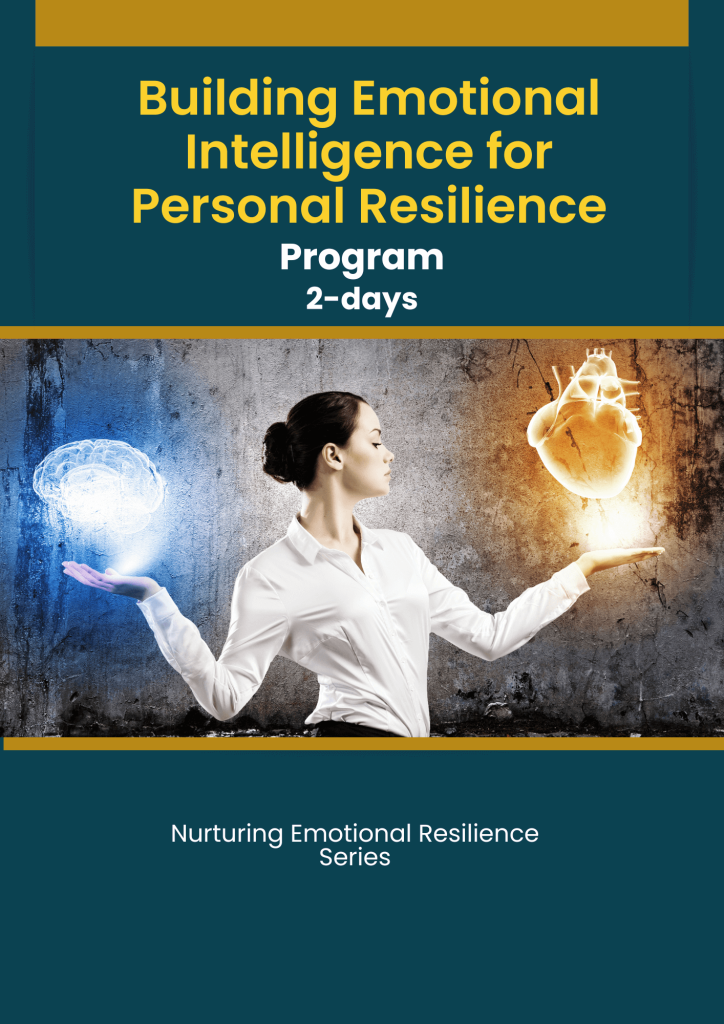
How Does Emotional Intelligence Foster Personal Resilience?
Emotional intelligence involves recognizing, understanding, and managing our emotions and those of others. It’s crucial for resilience, helping individuals effectively cope with stress and adversity.Here are key strategies for individuals to develop and enhance their emotional intelligence and resilience during periods of change:
- Self-awareness: Understand your emotions and seek feedback to manage reactions to change.
- Self-regulation: Control impulses and focus on solutions during tough situations.
- Empathy: Understand others' feelings and show compassion to build trust.
- Social skills: Communicate clearly and collaborate effectively to support change.
- Optimism: Maintain a positive outlook to foster resilience and overcome challenges.
For instance, consider an individual navigating through organizational changes with high emotional intelligence and resilience:
- Aware of personal reactions and seeks feedback for improvement.
- Manages stress and promotes positive actions, avoiding negativity.
- Empathizes with others' concerns, offering support and understanding.
- Communicates openly about the change's vision and benefits.
- Inspires optimism and confidence, turning challenges into opportunities.
These strategies enable individuals to navigate change effectively, fostering personal resilience and adaptability in professional and personal contexts.
Discover the power of emotional intelligence and resilience in our training program. Learn key skills like understanding your emotions, staying calm in tough times, empathizing with others, communicating effectively, and staying positive. These abilities will help you navigate changes smoothly and build resilience in your personal and work life. Take the next step towards a stronger you—enroll now and empower yourself for lasting success!
Objectives
This program will empower participants to:
Develop an understanding of personal resilience, it importance, key components, and benefits.
Enhance emotional intelligence by exploring its concept, identifying stressors, and learning adaptive coping strategies.
Foster self-awareness through introspection, recognizing strengths and limitations, and continuous self-improvement.

Gain deeper self-awareness to understand emotions, stressors, and coping mechanisms.
Learning Outcomes

Engage in action planning for continuous growth and resilience.

Acquire practical skills to manage emotions effectively, fostering resilience.

Cultivate empathy and social support for stronger workplace relationships.

Develop adaptive problem-solving skills to navigate challenges confidently.
Learning Outcomes
Gain deeper self-awareness to understand emotions, stressors, and coping mechanisms.
Acquire practical skills to manage emotions effectively, fostering resilience.
Cultivate empathy and social support for stronger workplace relationships.
Develop adaptive problem-solving skills to navigate challenges confidently.
Engage in action planning for continuous growth and resilience.